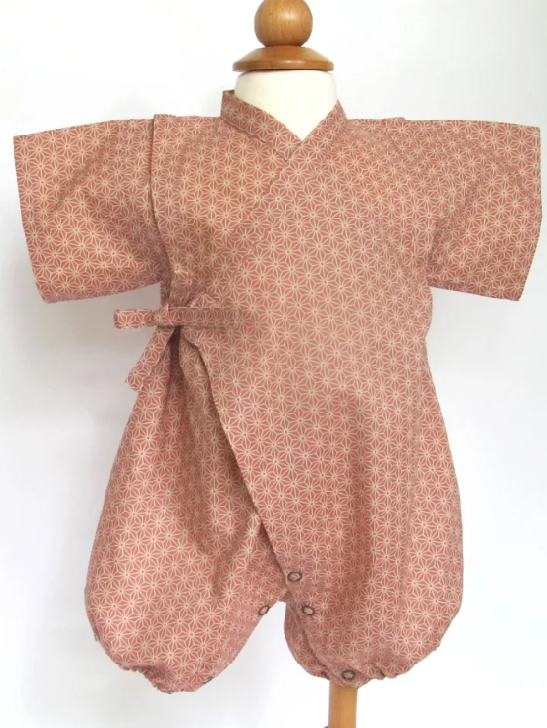
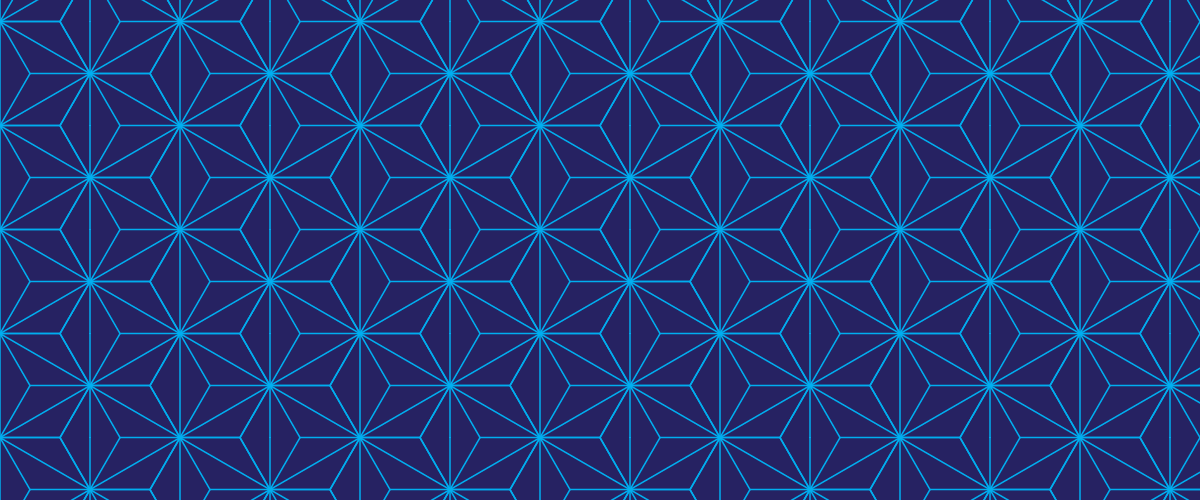
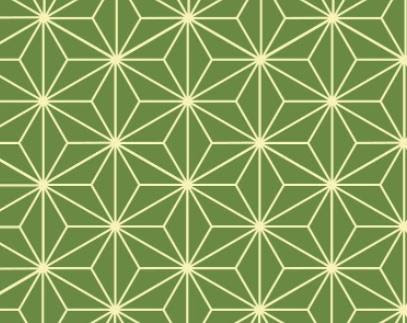
Asanoha Pattern

Hemp Leaf Pattern

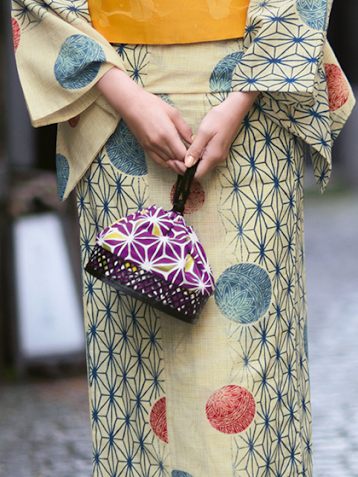
Asanoha literally means ‘hemp leaf’ and this pattern is a stylized interpretation of the plant.

Traditionally, asanoha patterns have been put on babies’ clothes as a protector against evil.  Since the hemp plant grows quickly, it was customary and common to use for children’s clothes, in the hopes that the child would also grow fast and strong. It can also mean protection from harm or evil spirits.

Before cotton was imported to Japan, most textiles were made from hemp. Hemp is a hardy plant, able to grow fast and straight without requiring much attention.

Hemp was the main material of clothing for the common people until cotton was cultivated in the Sengoku period (around 1600).

This pattern has the meaning of a protection from harm or evil spirits.
Similar Posts

  • Seigaiha Pattern

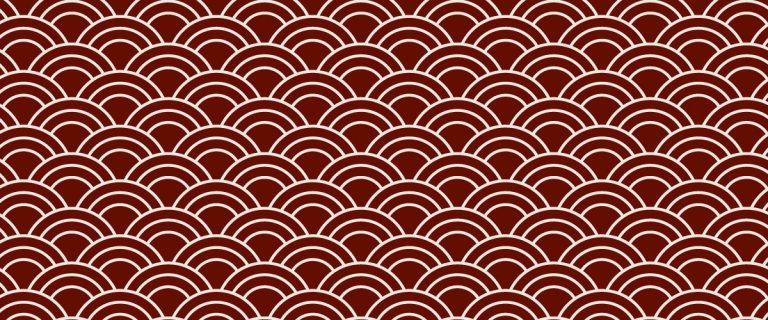
    Wave Pattern Seigaiha literally means “blue wave of the sea”. The double circle patterns resembling ocean waves is not only found on fabrics but on packaging and pottery. This pattern has been used as a clothing motif in Japan for more than a thousand years. It is considered a symbol of peace, good luck, and good…

  • Uroko Pattern

    Scales The word Uroko means scales in Japanese. It may represent scales of dragons, snakes or even fish. It is used as a protective charm, and ward off evil. However, it is also seen in theater on villains as the scales of a snake. The Uroko pattern is composed of either a succession of triangles…

  • Shippo Pattern

    Shippo This pattern consists of superimposed circles forming petals or stars, depending the way you look at it. The Shippo pattern represents the seven treasures of Buddhism (gold, silver, pearl, coral, crystal, agate and lapis lazuli). The Shippo pattern used to be highly popular in the Edo period, especially on women’s kimonos. It is said…